Smart biomaterials and nanotechnology

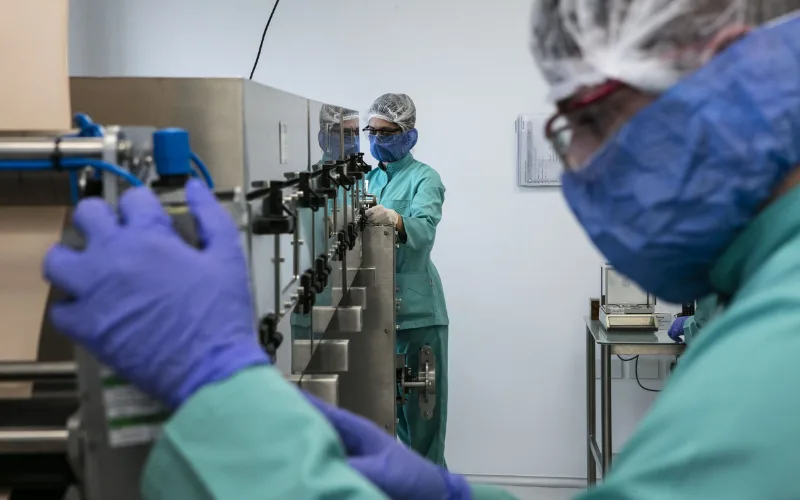
New tools for more precise drug delivery systems Kimbelery Pardo – Marketing and Business Development Analyst The pharmaceutical industry is undergoing a period of profound transformation driven by the convergence of materials science, biology, and technology. In this context, smart biomaterials and nanotechnology are emerging as key tools for the [...]

Read More

Sweat Management in Medicinal Patches: A Critical Technical Challenge in Transdermal Formulation Design

Effective sweat management is crucial for the success of medicinal patches, as it impacts both their adhesion and patient safety. Sweat accumulation at the patch-skin interface can compromise therapeutic efficacy by causing the patch to detach prematurely, preventing the release of the required drug dose. Additionally, prolonged moisture can lead [...]

Read More
Amarin_Interchangeability_Guidance_for_TDS

Interchangeability Guidelines for Transdermal Delivery Systems: Regulatory Differences and the Case for Harmonization

Interchangeability guidances for transdermal systems need harmonization, as the next challenge to add uniformity and scientifical sense to the regulatory process. There are key differences among current guidances for interchangeability of transdermal systems, which could mean that a same clinical study is approved in one region and rejected in another one. [...]

Read More
Amarin_Validation_of_Computerized_Systems

GxP Computerized Systems Validation: A Guide to Preparing the Systems Inventory in Regulated Pharmaceutical Environments

In the pharmaceutical industry, the validation of computerized systems is a regulatory requirement, not an optional best practice. Every system with an impact on the GxP environment — Good Manufacturing Practice, Good Laboratory Practice, Good Clinical Practice — must comply with applicable quality standards and be properly documented. Without this, [...]

Read More

Intellectual Property in Pharmaceutical Products: Development Strategies in the Transdermal Segment

Since the beginning of the Modern Age, inventors and companies have sought to protect their innovations through patents — the legal instrument granting temporary exclusivity over their developments. In the pharmaceutical industry, this mechanism carries particular weight: research cycles are long, regulatory approval costs are high, and the commercial exclusivity [...]

Read More
Cleaning validation in transdermal patch manufacturing — swab sampling and GMP API residue acceptance criteria

Cleaning Validation in Transdermal Patch Manufacturing: GMP Requirements and Best Practices

Cleaning validation in transdermal patch manufacturing is a critical GMP requirement that goes beyond routine equipment cleaning. It is the documented, systematic demonstration that an approved cleaning procedure consistently removes active pharmaceutical ingredient (API) residues — and any other contaminants — to levels that cannot compromise the safety, identity, strength, [...]

Read More

Transdermal Patch Manufacturing: The Three Critical Stages of a GMP Process

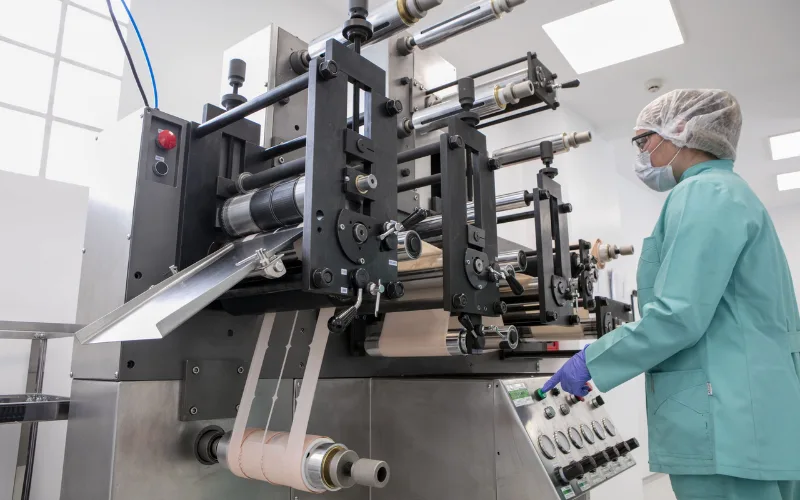
Transdermal patch production is a continuous process that demands precision at every stage and accumulated knowledge of the variables involved. It is not a process mastered quickly. Three articulated stages — mixing, coating/drying/laminating, and die-cutting/packaging — define the final outcome: a transdermal drug delivery system that is safe, effective, and [...]

Read More